The PR Lesson Hidden in Oscar Season: What Media Interviews Teach Us About Consideration
The Oscars were Sunday night, but the weeks leading up to them were a masterclass in something else entirely: media interviews and media exposure.
Every year, actors spend months doing interviews, podcasts, and press tours to keep their work top of mind with voters and audiences. But as we saw this year, interviews can sometimes create the wrong kind of attention.
Two celebrities found themselves in the headlines recently for comments they made during interviews.
Actor Timothée Chalamet sparked backlash after dismissing the centuries-old art forms of ballet and opera during a press conversation — something many fans of the performing arts didn’t appreciate.
Meanwhile, actress Jessie Buckley raised eyebrows during a podcast appearance when she shared that she once gave a partner an ultimatum: “It’s me or the cats.”
Neither comment had anything to do with the films they were promoting. But once those clips hit the internet, they quickly became the story instead of the work those actors were hoping to spotlight.
And that’s the risk of media appearances without a strategy.
For business owners, founders, and industry experts, podcast interviews and media opportunities can be incredibly powerful for building credibility and visibility. But just like the actors on an awards press tour, it helps to approach them with intention.

The Golden Rule of Interviews: Structured Spontaneity
One of the best concepts in media training is something called structured spontaneity.
It sounds contradictory, but it’s actually simple.
You want to sound natural and conversational during an interview, but you should still go in with two or three key messages you want the audience to remember.
The spontaneity comes from the stories and examples you use to support those points.
Without that structure, interviews can easily drift into off-topic territory. A casual remark, a joke that lands wrong, or an unfiltered opinion can become the headline, even if it wasn’t the most important thing you said.
When you have a clear message going in, it becomes much easier to steer the conversation back to what matters.
Consideration Matters More Than Awareness
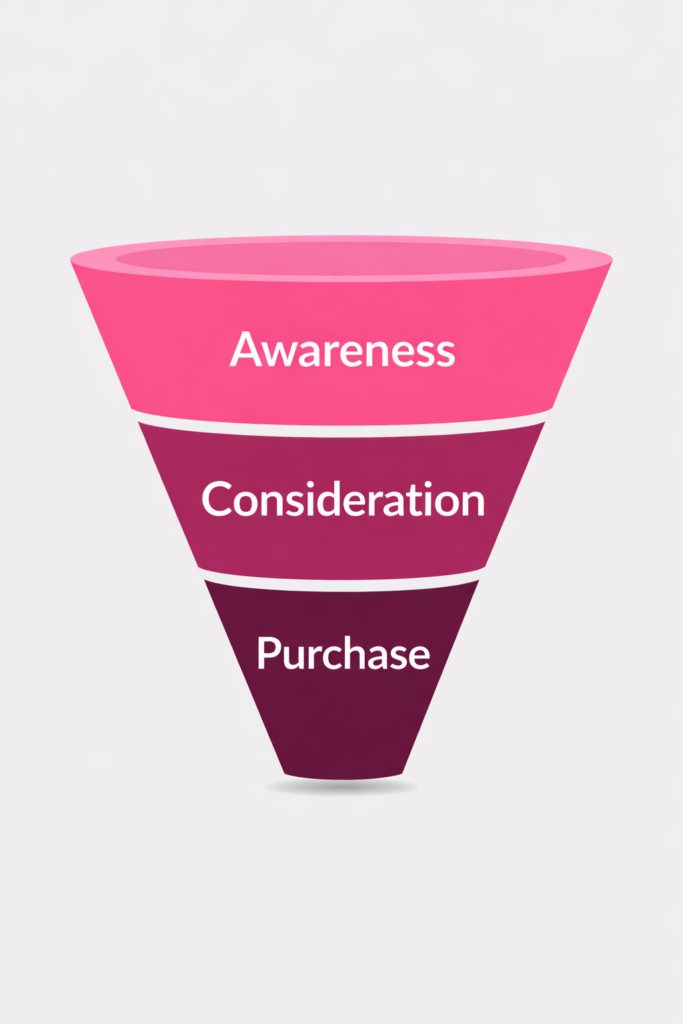
Another important takeaway from media appearances is understanding the difference between awareness and consideration.
Awareness simply means people recognize your name or your brand.
Consideration means they understand what makes you different, and why they should trust you.
Media interviews, podcast appearances, and thought leadership are most valuable when they build that second piece.
They help people walk away thinking:
“That perspective resonates with me.”
“They clearly know what they’re talking about.”
“I’d trust them to help me solve this problem.”
That’s what turns media exposure into real business opportunities.
Trying to generate attention by criticizing something else, creating controversy, or saying something shocking might increase awareness in the short term. But it rarely builds the kind of trust that leads to long-term credibility.
Be Punchy, Not Offensive
Journalists and podcast hosts don’t want boring, vanilla answers. Strong opinions and interesting perspectives are what make interviews engaging.
But there’s a difference between being memorable and being offensive.
You can absolutely take a stand on something. You can challenge conventional thinking or share a bold point of view.
Just make sure it connects back to your expertise and reinforces what you stand for.
Punchy opinions help people remember you.
Unnecessary negativity often just distracts from your message.
What To Do If You Misspeak
Even with preparation, interviews are live conversations. Sometimes people say something they wish they hadn’t.
If that happens and the comment gains attention, the best approach is usually simple: own it and move on.
Trying to avoid the issue entirely or letting the story spiral can make things worse.
A quick acknowledgment and clarification often stops the situation before it becomes a bigger problem.
How to Prepare for a Podcast or Media Interview
If you’re invited onto a podcast or asked to participate in a media interview, treat it as a strategic opportunity, not just a casual conversation.
A little preparation goes a long way.
Here are a few simple tips:
1. Prepare two or three key messages
Decide what you want listeners to remember about you or your business.
2. Use stories and examples
Stories make expertise memorable and relatable.
3. Pause before answering difficult questions
Taking a moment to think can prevent a quote you’ll regret later.
4. Focus on value for the audience
The best interviews teach, inspire, or clarify something useful.
5. Stay aligned with what you stand for
Your comments should reinforce your brand, not distract from it.
The Real Goal of Media Exposure
Media appearances are exciting. They boost visibility, credibility, and reach.
But the goal isn’t just to get your name out there.
The real goal is consideration.
You want people to walk away from the conversation thinking:
“That perspective really makes sense.”
“I’d love to work with them.”
“I want to hear more from them.”
When interviews are approached thoughtfully, they become more than just exposure.
They become opportunities to build trust, authority, and long-term relationships.
And in business, that’s far more valuable than a viral soundbite.